The moment a parent notices a subtle shift—perhaps a quiet refusal to join a game, or a sudden fascination with the rhythmic clacking of train wheels—can feel like a tiny storm Motor skill delays (fine/gross) brewing. Deciding whether that storm warrants a professional eye is a common dilemma. This guide explores the signs, timing, and practical steps parents can take, all while keeping the tone light and supportive.
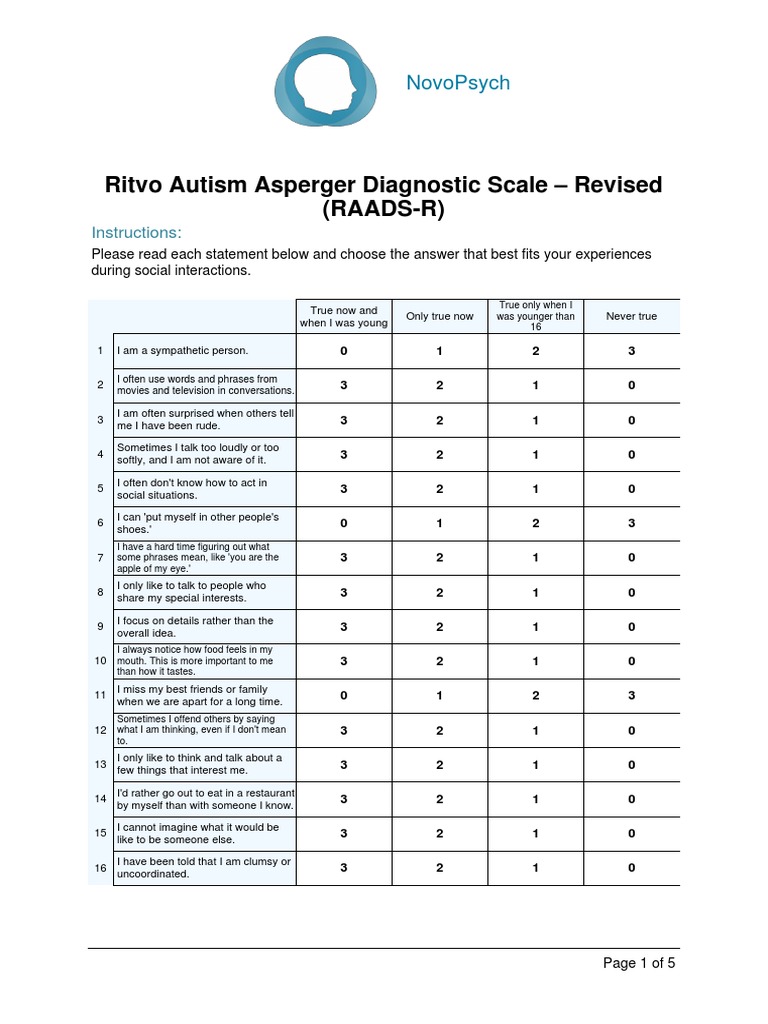
Early Signs That Raise a Flag
Parents often wonder: What little things should I flag? Below are three broad categories that commonly signal the need for an evaluation.
Social Interaction Hurdles
- Limited eye contact or avoidance of it during conversations. Difficulty sharing interest—they might stare at a toy without inviting you to join. Unusual response to social cues, such as laughing at a joke that falls flat for others.
Communication Clues
- Delayed speech: no babbling by 12 months or no single words by 18 months. Repetitive language or “echolalia”—repeating phrases verbatim. Challenges with turn‑taking in conversations.
Sensory Sensitivities
- Over‑reacting to lights, sounds, or textures. Under‑reacting, such as a lack of response to pain or a preference for extreme temperatures.
> “The best way to predict the future is to create it.” – Abraham Lincoln
> This quote reminds us that early awareness can shape a brighter path.
The Timing Question: How Early Is Too Early?
A common rhetorical question is, Is it too early to worry? The answer is: early is never too early.
Developmental Milestones to Watch
- First words by 12 months. First steps by 15–18 months. Simple gestures (pointing, waving) by 18 months.
If your daughter is missing one or more of these by the age of two, it may be time to consider an evaluation.
Age‑Related Red Flags
- At 18–24 months, look for joint attention and simple requests. By 30 months, expect shared enjoyment of activities and basic question‑asking.
Missing these milestones can be subtle, like a faint echo in a crowded room—noticeable if you listen closely.
Practical Steps to Take When You Suspect
Once you’ve identified a pattern, the next step is to act—like a detective gathering evidence.
Observing and Documenting
- Keep a daily log of behaviors, noting time, context, and reactions. Record video snippets if possible; these can help professionals see patterns you might miss.
Talking to Your Pediatrician
- Bring your notes to the next appointment. Ask for a referral to a developmental pediatrician or child psychologist. Remember: your pediatrician is your first ally in the evaluation process.
Choosing the Right Specialist
- Look for a professional with specialty training in autism. Check for credentials: board‑certified developmental pediatrician, clinical psychologist, or speech‑language pathologist. Ask about the evaluation process—how long it takes, what tests are used, and what the next steps will be.
What to Expect During the Evaluation Process
Understanding the journey can ease anxiety. Think of it as a structured SCQ (Social Communication Questionnaire) map rather than a maze.
The Assessment Team
- Pediatrician for medical screening. Developmental psychologist for cognitive and behavioral testing. Speech‑language pathologist to assess communication. Occupational therapist for sensory and motor evaluation.
Common Tests and Observations
- Developmental screening tools (e.g., M-CHAT). Standardized tests (e.g., Vineland Adaptive Behavior Scales). Naturalistic observation of play and interaction.
Interpreting the Results
- A formal diagnosis is rarely the end; it’s the beginning of a plan. Results are presented in a family‑friendly report that explains strengths and areas needing support.
Turning Findings into Action
A diagnosis is not a verdict but a roadmap.
Early Intervention Strategies
- Applied Behavior Analysis (ABA) for skill building. Speech therapy to enhance communication. Occupational therapy for sensory integration.
Building a Support Network
- Parent support groups—online or local. School resources: Individualized Education Programs (IEPs) or 504 Plans. Professional counseling for family dynamics.
Self‑Care for Parents
- Set boundaries to avoid burnout. Seek respite care when needed. Celebrate small wins—they’re the stepping stones.
The Bottom Line: Empowering Parents
When should parents seek an autism evaluation for their daughter?
If you notice persistent patterns in social interaction, communication, or sensory response that differ from typical developmental milestones, it’s time to reach out. Early evaluation can unlock a wealth of resources and support, turning uncertainty into a proactive plan.
Remember, you’re not alone in this journey. By staying observant, documenting carefully, and collaborating with professionals, you’re laying a solid foundation for your daughter’s growth—one that will help her thrive, no matter how her path unfolds.
*Take the first step today: schedule a conversation with your pediatrician and bring your observations. The future is yours to shape.*